
A Closer Look at an Often Misunderstood Condition
Words: Morgen Neuhauser
Beyond the mess, inside the mind, tears stream down her face as she — who we’ll refer to as Giselle Whitaker — sees the handyman install a new fridge. She can’t stomach this change to her childhood home. But it’s been this way for as long as she can remember — her anxiety makes it tough to part with any of her belongings. Getting rid of things that she’s sentimental about shoots bolts of anxiety through her body. And she’s sentimental about so many things.
“[It] scares me because I’ll never see that again,” Whitaker says. “What if I need it?”
Trash or Treasure
Whitaker’s habit of accumulating bits and pieces that looked like junk but roused a deep tenderness in her started when she was just a small girl. Her collection of notebooks, greeting cards and stuffed animals grew until every corner of her bedroom contained fragments of childhood buried in belongings. She would tuck her favorites beside her in bed every night, using their comfort to bring sweet dreams.
The need to collect never left her — in fact, the notebooks, magazines, and greeting cards morphed into soft sweatshirts and more stuffed animals filling her bed as she slept. Throughout her room, her collections
grew into an enormous accumulation of what she even deems “trash.” Notes, tags, and old lip balm fill her college dorm room’s memory boxes, corkboards, and tabletops.
“It’s hard for me because I have no need for them,” Whitaker says.
She’s heard the comments from her friends, and she gets them, she really does.
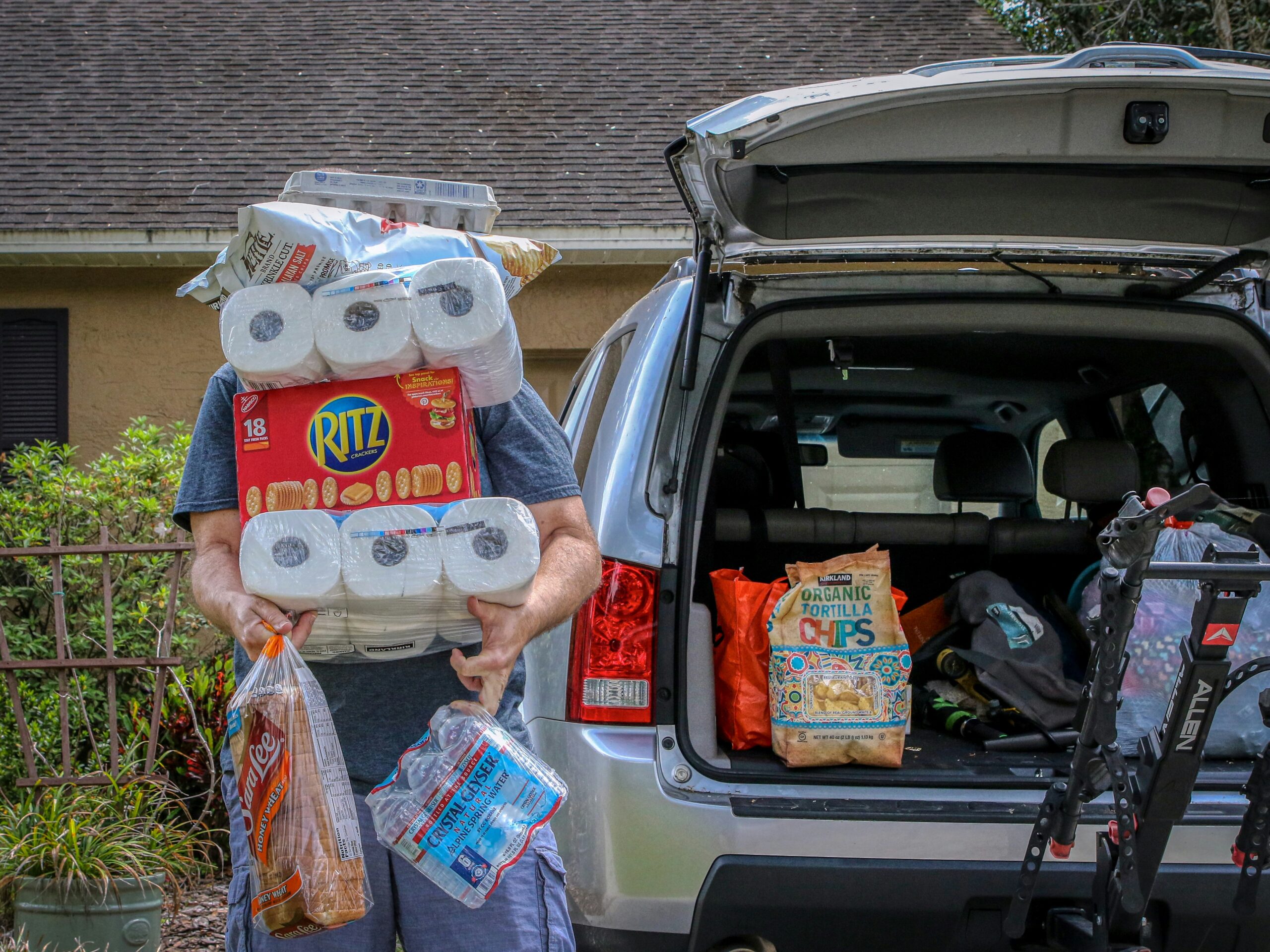
“I know it’s junk, but the main reason why I have a compulsion to keep things is because of the memories I have attached to them.”
In fact, Whitaker can pick up any item and tell you where she got it — an impressive skill that she jokes does not transfer to memorizing chemistry equations. But it does extend to every corner of her world — even
to the edge of her desk, where a crumpled Starburst wrapper sits precariously. She smiles, recalling the story behind the memento from when her boyfriend visited.
“[It’s] a reminder of him and every time I look at it, I don’t think it’s garbage — I think of him,” Whitaker says. “Throwing it out would be like throwing a part of him away.”
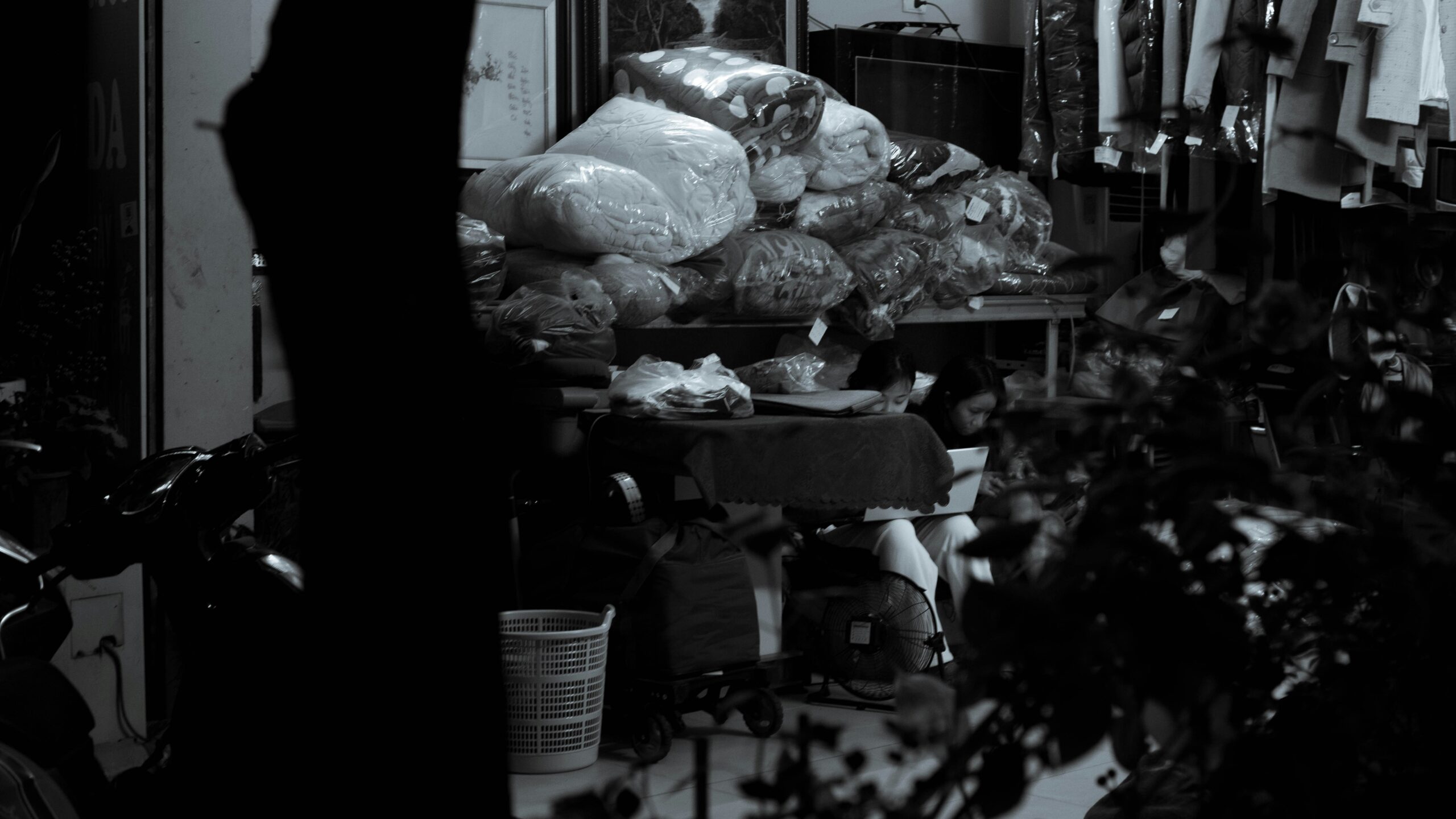
These sweet memories may not be enough to stop others from throwing these small tokens out, but she feels like she is throwing away a part of herself when she disposes of anything. In fact, this isn’t a choice for Whitaker. She says it’s a compulsion — stemming from the fear of what might happen.
“If I throw out a note that my mom gave me, what if the negative energy in that action does something to hurt my mom?” she says. To some of us, maybe even this reader, Whitaker’s reasoning may not seem logical. But it’s her daily reality.
The stigma surrounding hoarding deeply affects her. When people call Whitaker messy, she cringes. The
contention makes her feel like others view her as dirty.
“People think it’s odd,” Whitaker says. “They think I’m messy. Some think it’s weird or gross.”
While she has never directly asked her friends why they make hurtful comments, she believes it comes from a lack of understanding. They don’t see the memories attached to the mess. But they do leave feelings of hurt behind. “[Their comments] make me think less of myself,” Whitaker says.
She confides that she often wonders if her emotional connection to objects is problematic. Is it more than just innocent curating?
Is she a hoarder?
Hoarding or Collecting?
According to the International OCD Foundation, between 2% and 6% of the population experiences hoarding disorder. Countless more have collections or strong emotional attachments to their belongings. But where’s that line between hoarding and just collecting stuff? The American Psychiatric Association draws this one: Objects acquired by people with hoarding lack a consistent theme, whereas those of collectors are narrowly focused on a particular topic.
That definition gets more complicated when you apply it to the behavior of actual human beings who are, well, they’re messy.
“Once it becomes unlivable or unsanitary, we’re talking about hoarding,” says Isabel Acevedo, a clinical therapist at Barrington Youth and Family Services in Barrington, Illinois.
When left untreated, hoarding disorder can pose a danger to those it affects. Compulsive hoarding often means living with — or among — a large accumulation of belongings, which can grow so far out of control that the mess can trap a person inside their own home. It’s not hard to imagine the risk to that person’s mental and physical health.
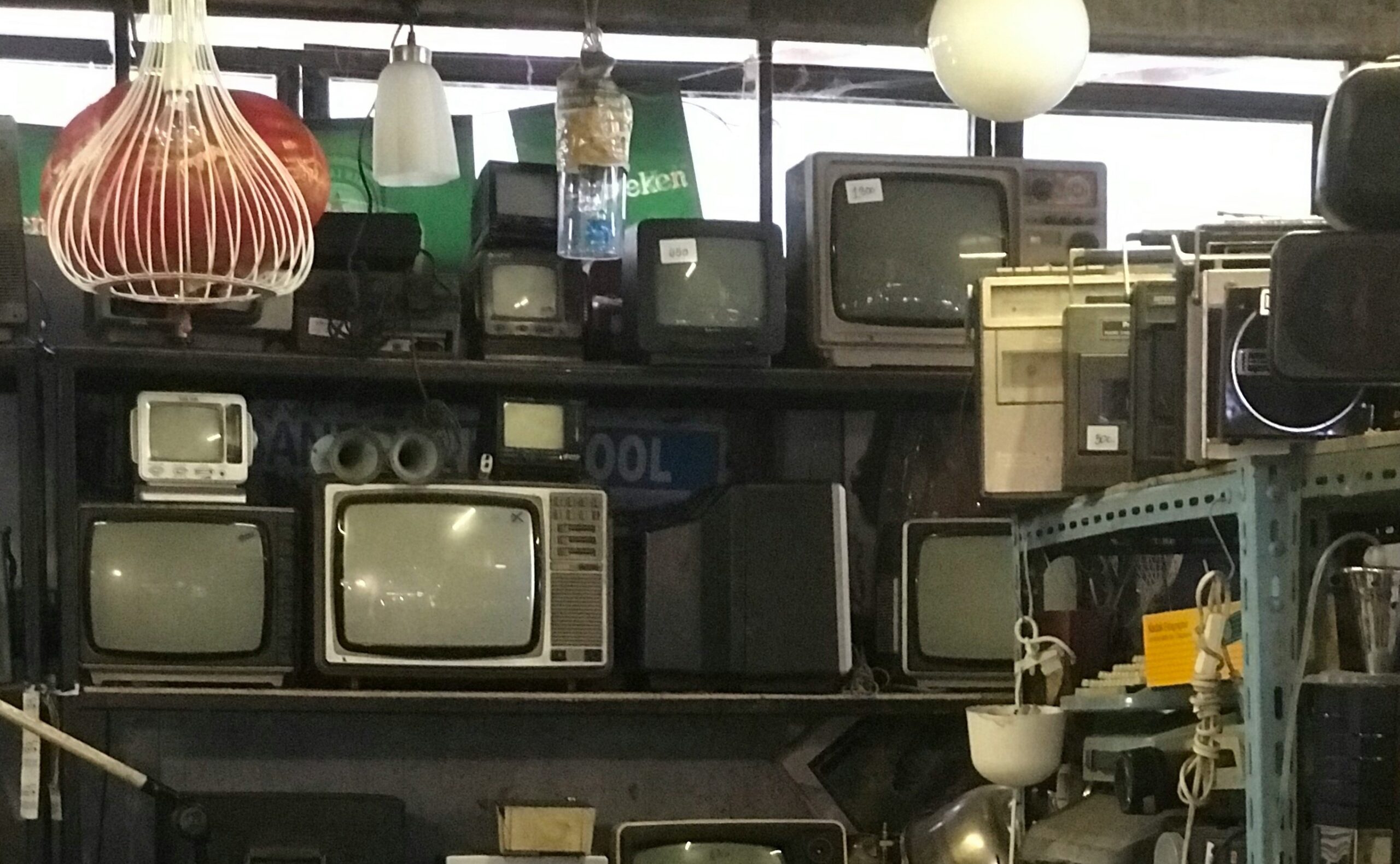
“There’s usually a reason behind the lack of ability to dispose of things properly … it could be hopelessness or feeling a need to fill a void,” Acevedo says. “All these things, when done in abundance, become a clinical disorder.”
Now, Whitaker sees her space as nice, organized, and filled. While every surface of her room is covered with some sort of trinket, memory boxes and corkboard systems allow her to store even more than meets the eye. So an, organized space doesn’t rule out the start of a hoarding disorder. And while hoarding disorder at its worst leaves the person affected in unsafe and unsanitary conditions, it doesn’t happen overnight.
According to an article published by the University of Texas at Austin, “when the accumulation becomes compulsive rather than curated, it signals the onset of hoarding. This shift can be sparked by various factors, such as emotional distress or a tendency to save items ‘just in case.’”
It helps to learn about the risk factors if you’re questioning where you fall. Having someone in your immediate family who experiences hoarding disorder or dealing with traumatic life events — like the death of a loved one — can trigger hoarding behaviors. If you have questions or worries, reach out to a therapist for guidance.
Hoarding Secondary Diagnosis
Hoarding disorder is related to anxiety and Obsessive-compulsive disorder (OCD). A study published by the National Institute of Health says OCD occurs in around 20% of people with hoarding disorder. The American
Psychologists Association says that 75% of people with hoarding disorder also have anxiety.
This rings true for Whitaker, who says her anxiety is at the root of her concerns for herself — what if her tightly filled room is more than just that?
Research around this disorder is fairly new, so there’s a lack of knowledge about hoarding, making it hard for people like Whitaker to know if they should seek a clinical diagnosis. What the average person knows is likely what they see on reality TV, which is rarely how life actually looks, being extreme examples for the sake of salacious entertainment.
This keeps the stigma and the shame alive, making it harder for people to get help.
Seeking Help
Jessica Pihlstrom cleans houses after hoarding situations in Minnesota’s Twin Cities. Working directly with those experiencing hoarding can be difficult because they often resist change. She has to rely on her empathy skills a lot.
“Everybody’s got their stuff and it’s just that for these folks, that’s how it manifests,” she says. “Keep their humanity at the forefront. [They’re] not the problem.”
For those trying to help a loved one, Pihlstrom says to pay attention to their mannerisms and check in routinely. Even when the situation is alarming to you, try to remember how hard the disorder is on those experiencing it.
Whitaker has complicated feelings surrounding her compulsions. This last year, she’s slowly let go of the shame and accepted that these compulsions are just part of her. Whitaker has also begun seeing a therapist to tackle her anxiety and plans on exploring its connection to the fullness of her room.
“Seek help so you can feel better about yourself,” Whitaker says. “Being healthy and happy in yourself and your life is all that really matters.”

No responses yet