Finding joy through crisis
Words: Aidan Quinlan | Photo: Madissen Kerman
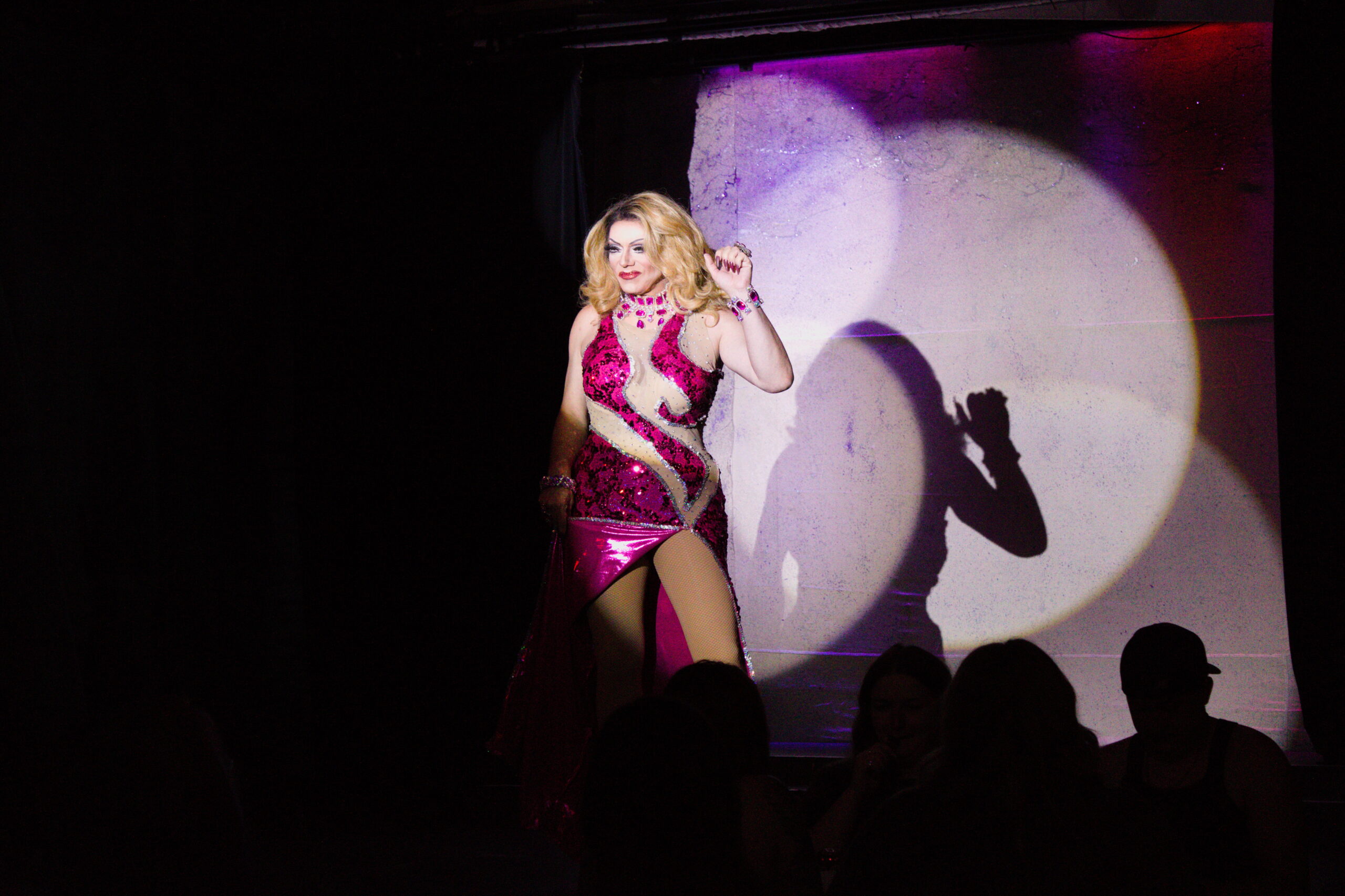
The audience claps with excitement as the colorful lights dim, in anticipation of a fabulous show with dancing, comedy, and opulence galore. The crowd roars with applause as The Garden’s queens hit the stage, shimmering with sequins and rhinestones. When the crowd walks through the sequin curtains, they’re exchanging their dollar bills for two hours to escape from reality.
Des Moines Drag History
Drag queen Lili Whyte entered the Des Moines drag scene in 1987 — she was just 21 years old.
“I would sneak under the gown of a drag queen to get [into gay bars], and we never got caught,” Whyte says. She did it because drag itself is a form of protest, both against the construct of gender and recent anti-queer bills. “I’ve lived through those years of hiding,” Whyte says. “When I first came out, gay bars didn’t have any signs and their entrances were in alleys … They were in secret because if they were known as a gay bar, it would get burnt down.”
Throughout the AIDS pandemic, Whyte was attending and performing at Des Moines gay bars as chaos and fear rang through her community. It was a turbulent time, with so many people losing loved ones to the illness.
“People really focus on what the AIDS pandemic was like in New York City where it all started, but it affected the entire country,” Whyte says. “By the time I was in my twenties, I was going to more funerals every week than my grandmother was.”
Drag and gay bars provided an escape from the LGBTQ community’s volatile reality — only to have these safe havens stripped away during events like the raid on The Blue Goose.
“It was devastating seeing most of those [safe spaces] being taken away,” Whyte says.
Even more devastating, she was in attendance during the raid.
“I was underage, so I tried to sneak out through the bathroom window. I got stuck, and a drag queen happened to be in the bathroom at the same time as me,” Whyte says. “She looked at me and said ‘You’re not gonna get us in trouble,’ and she put her high heel on my lower back, and pushed me out of the window. I still have the scar to this day.”
Drag in the Midwest
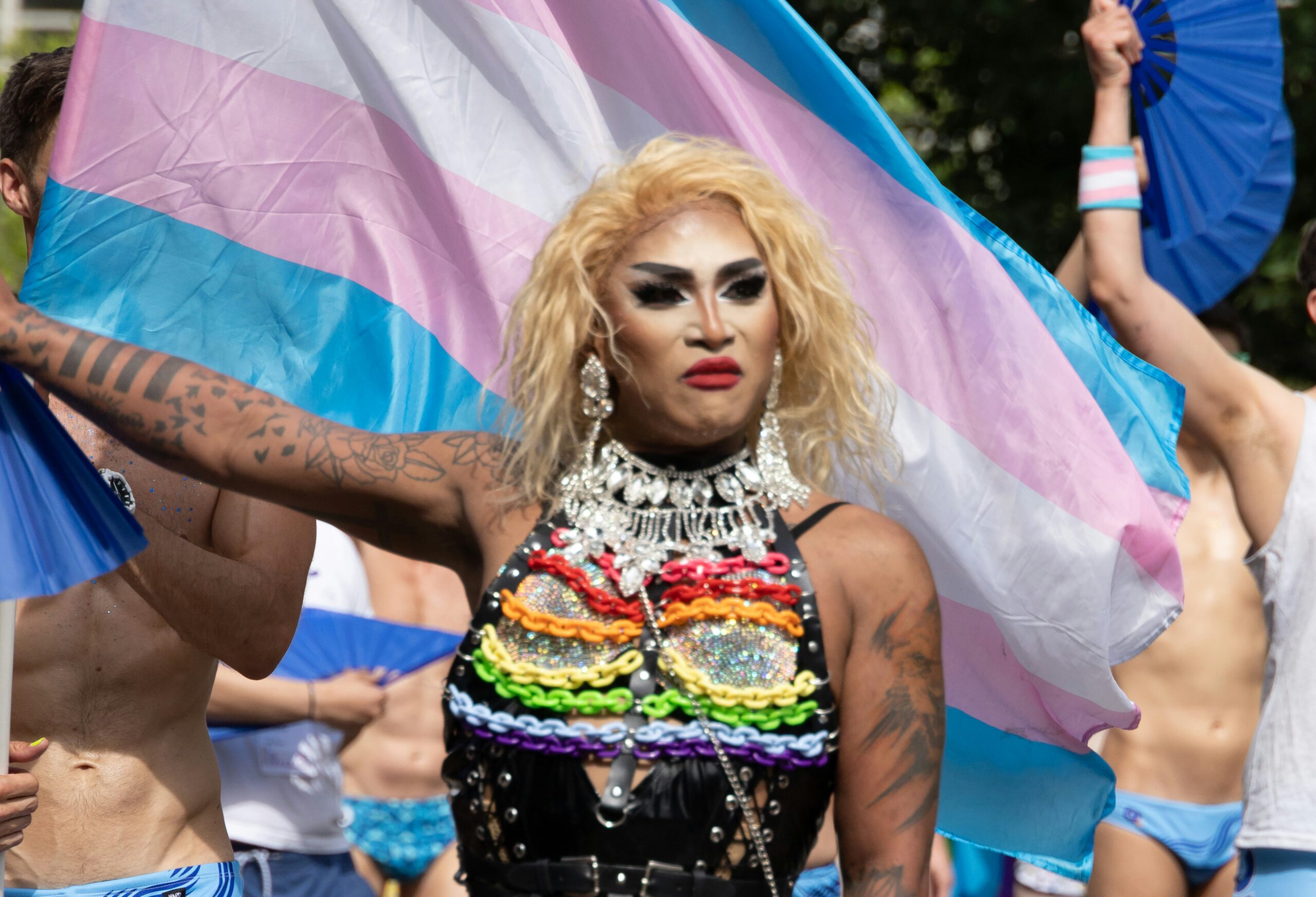
The Des Moines drag scene has seen incredible change, but its foundations of diversity and experimentation have remained strong.
“The Des Moines drag scene is very diverse,” says Muffy Rosenburg, a Des Moines drag legend. “It’s very polished, which is not something you really expect from a Midwestern town. There used to be very few drag queens … but now there’s many.”
She considers drag’s rising prominence in mainstream culture a contributing factor to the growing drag scene in Des Moines.
“I personally am not a fan of [Rupaul’s Drag Race], I think it’s a little too catty,” Rosenburg says. “But the impact the show has had on making drag go into the mainstream has been very positive.”
One Step Forward, Two Steps Back
Safe spaces are still few and far between for the queer community. Rights for LGBTQ people have recently declined in Iowa and across the nation.
“We had progressed so far, and now we’re backstepping,” Whyte says. “That’s not the country I want to live in anymore… To stop it, we all have to work together — protest and vote to make sure we never go back.”

One response
[…] Finding Joy through Crisis […]