
Is anyone listening?
Words: Amanda Favazza | Photo: Kaitlyn Woods
I’ve debriefed a little too deeply in my fair share of restaurants, but I fear my digital footprint may expose more of my life than I ever could in a single conversation.
Sitting in a booth, stuffing our faces with chips and salsa, my friend and I recount salacious stories from nights out. Full names and exact locations are dropped as we drool over our appetizers and drama. Just as I am about to reveal the pièce de résistance, our waiter drops in to take our order. I bite my lip to keep from laughing, and as soon as they walk away, we start plaguing the table next to us with our overly detailed narrations.
Social media grants the space and audience to expel our stories without any physical intervention. People have long been inspired by entertainment, influencing everything from fashion to how we talk. When we start mimicking influencer’s trauma storytimes, we accustom ourselves to an overstimulating world of too many details, too fast.
Have we learned some newfound vulnerability, or a new method for self-destruction?
Online vs Real Life
We can’t really blame TikTok, but we can blame the era of Mark Zuckerberg’s internet as the catalyst for our hunger for an audience. Since YouTube’s spike in popularity in the early 2010s, trends like “a day in the life” videos urged creators to show every little detail of their daily routines.
We’re conditioned to reveal ourselves openly, without considering the consequences. The impulse to post a relationship rant to an audience of 100 or 1 million stems from the idea that we can resonate with more people online rather than your two roommates who didn’t like your ex-boyfriend anyway. Seeing likes and comments rise can make us feel truly seen, when in reality someone took less than five seconds to interact with our content.
“[Social media] hinders social interaction by … promoting isolation, superficial relationships, and reducing face-to-face communication,” says Dr. Alicia M. Walker, an associate professor of sociology at Missouri State University.
Alex Preusser, a sophomore at Loyola University Maryland and an avid social media user, says the apps create a social separation between what’s shared in the virtual space versus real life.
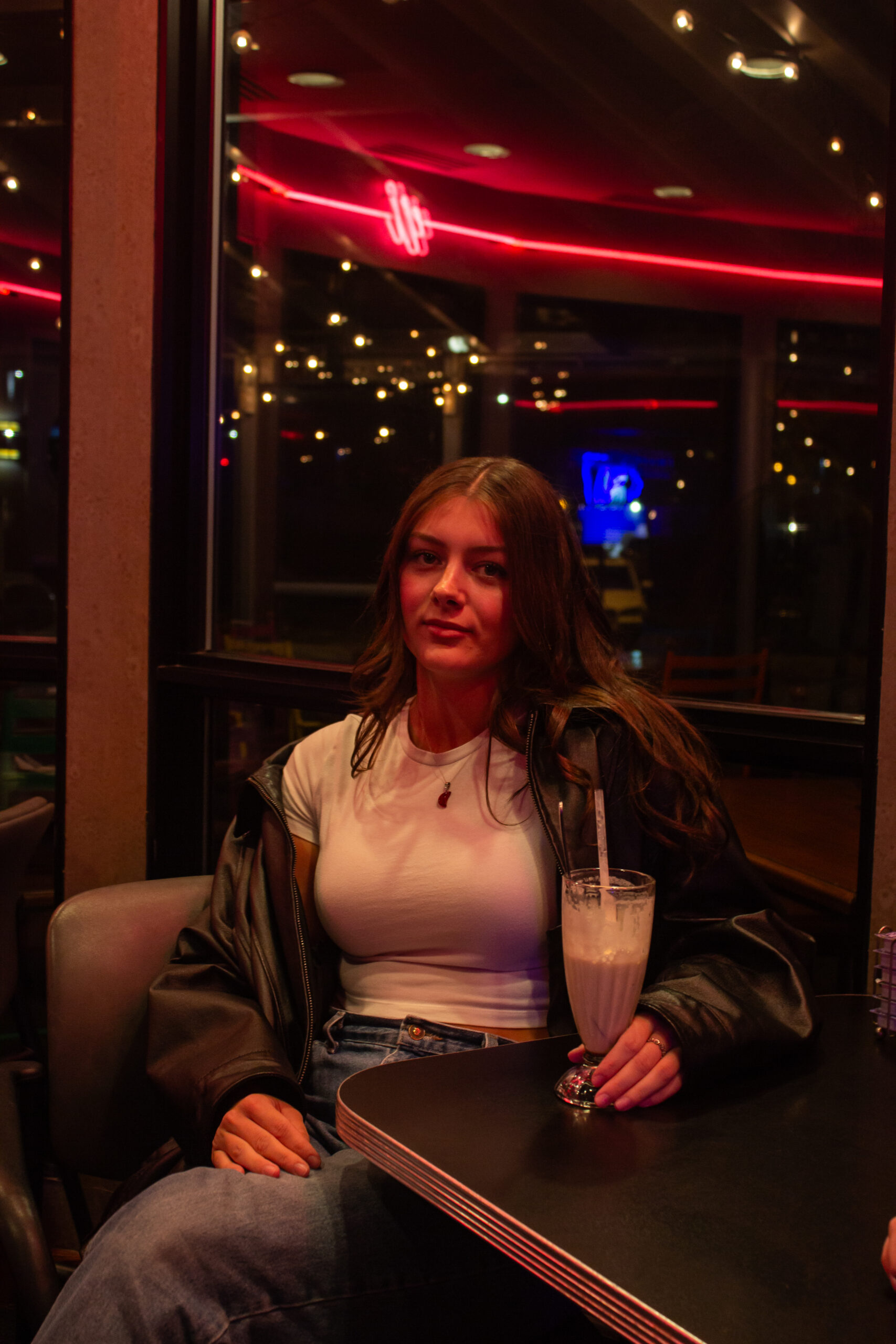
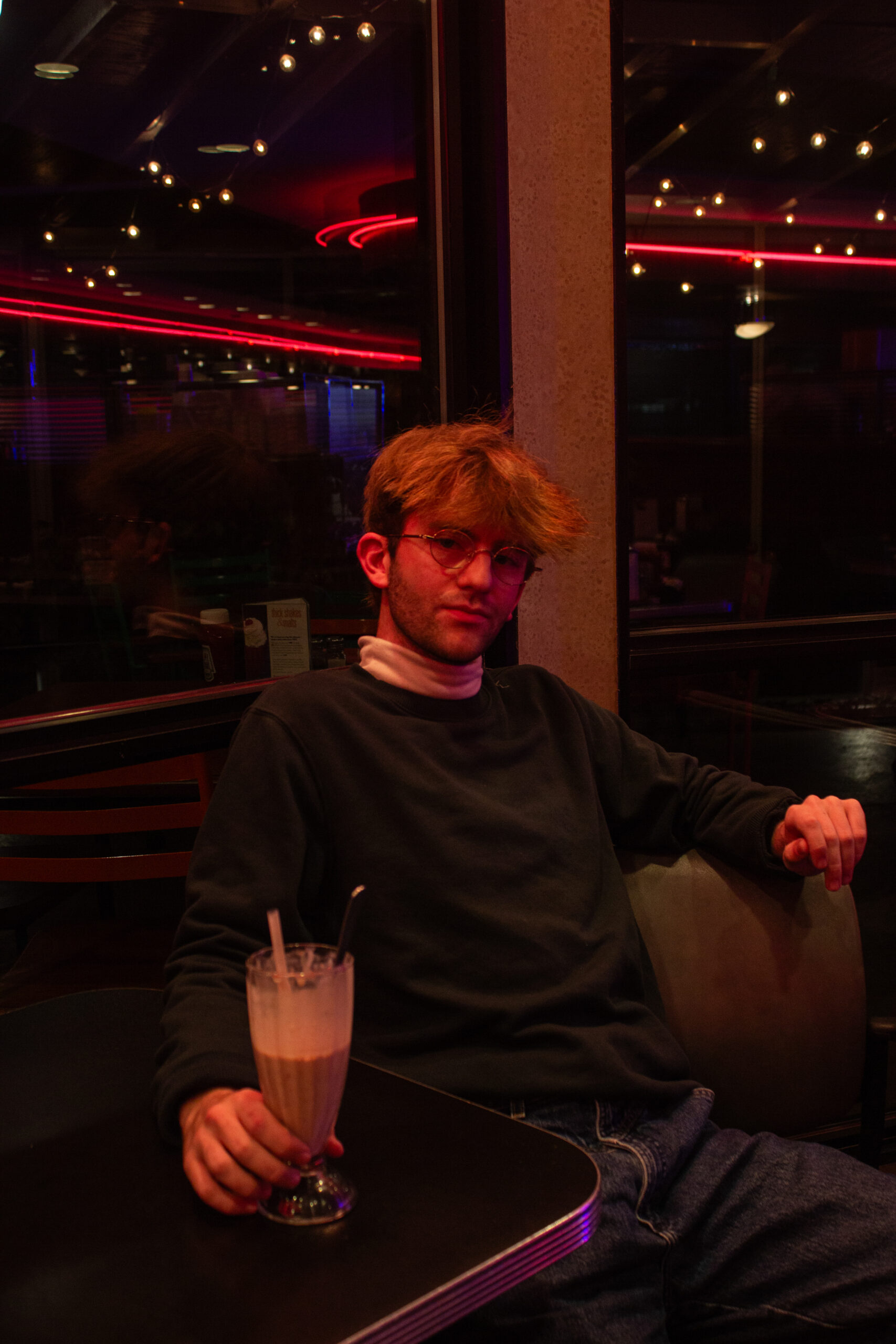
“There was this guy on my soccer team in freshman year of high school,” Preusser says. “We had a Snap streak of 1700 days but if I saw him in person, I would avoid him … But we snapped every day for four or five years.”
That friend of a friend you’ve never met has a front row seat to your life.
“Technology has advanced human interaction by overcoming distance and enabling global communication and connection,” Dr. Walker says.
We follow accounts suggested by Instagram and people we’ve never met. But that’s not the same as building community, even though it can feel just like it.
According to a study by the U.S. Surgeon General in 2023, “time spent in-person with friends has reduced by nearly 70% over almost two decades, from roughly 150 minutes per day in 2003 to 40 minutes per day in 2020.”
With this decrease of in-person time, we’re spending more time on social media.
From the same study, it shows that “participants who reported using social media for more than two hours a day had about double the odds of reporting increased perceptions of social isolation compared to those who used social media for less than 30 minutes per day.”
More followers aren’t more friends.
Curation
We’re unphased by our phones and peers knowing everything about our lives, so long as we’re in control of the narrative. But a curated presence doesn’t guarantee real happiness or control. It’s our latest coping mechanism when we feel overwhelmed.
“I spent hours looking through all my photos, picking exactly which ones to post,” Preusser says. “Putting them in the order I wanted, cropping them, thinking of a caption, tagging everyone. I take my main [Instagram] very seriously.”
We make accounts to appeal to our different audiences. ‘Main’ Instagram accounts are the most public and curated versions. ‘Burner’ accounts include photo dumps and spams of unprofessional photos for our closest friends.
“Certain people are getting [my] content and for the larger audience, that’s where I keep things more limited,” Preusser says.
It’s a dichotomy between making your life fit an aesthetic and treating your followers like your closest friends. Creating relationships between you and your online friends can be beneficial, but when they outnumber your friends IRL, that can lead to isolation.
“I probably share more than most people, but the way that I organize where I post is what makes me feel like I’m not oversharing,” Preusser says.
If we share a bit on everything, it doesn’t feel like dumping our lives on one platform.
This has all become so normalized, we don’t even recognize the dystopian online world we’ve made.
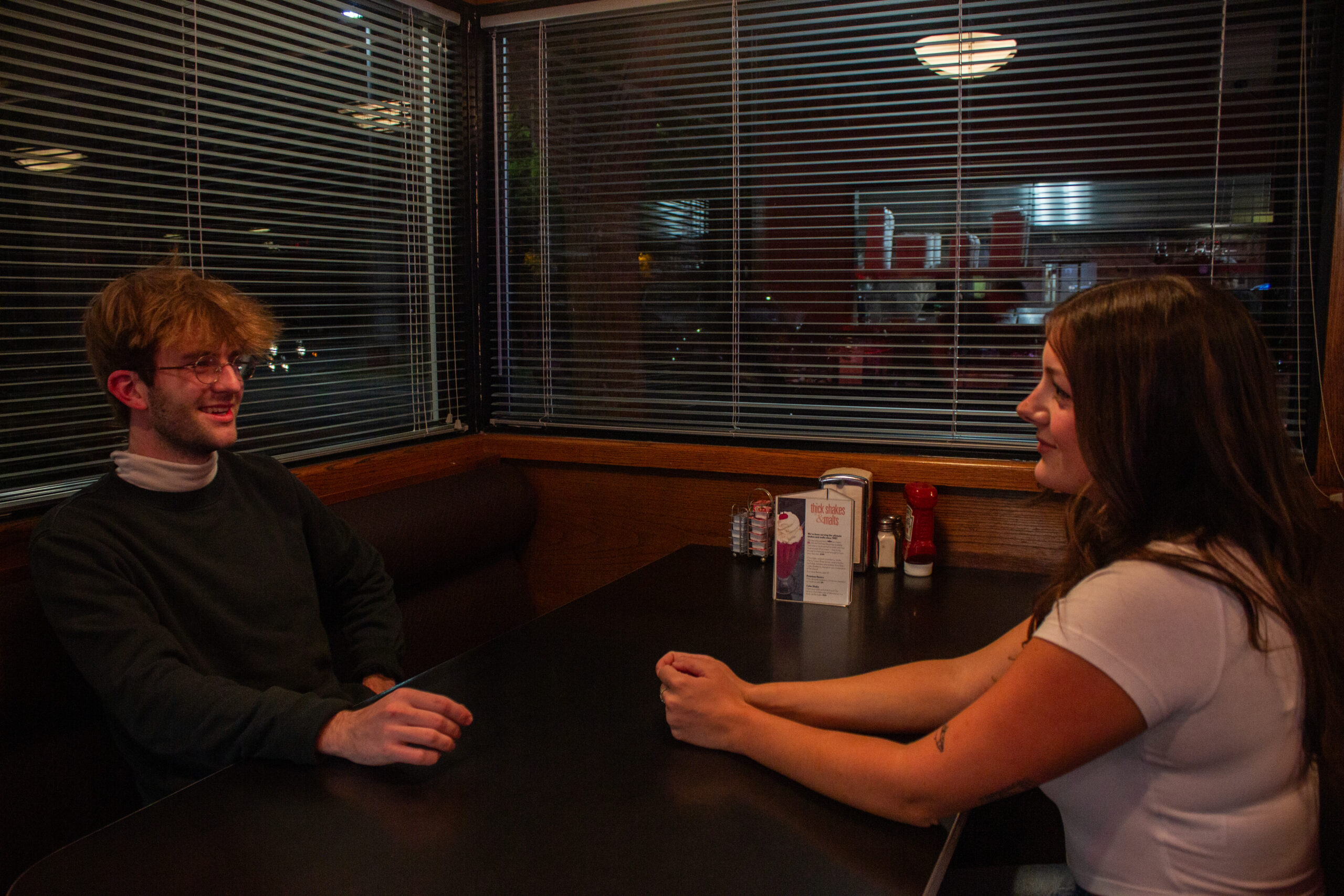
Whether it’s by rewatching the TikTok we just made over and over, or swiping through our carousel of photos on Instagram to make sure we got it just right, we’re all controlled by our own curation. Our social media presence is the online representation of our lives, and has implications beyond the screen. That job you just applied for at that marketing firm — they already made their assumption about who you are based on the life you portray through social media.
As our lives are perceived online, our persona becomes a ratio of our followers to following. The internet was designed with the idea of interconnectivity. But the notion that social media is used to find new friends is long gone — it’s all a numbers game now.
The Love Drug
According to a Harvard University study, we release dopamine when we receive engagement on our posts. It’s the brain chemical that acts as a reward system.
Social media is an online runway, a form of instant validation. Because of social media, we’re able to like and comment, and skip real life interactions.
It separates us, because if you say it online, you don’t need to say it to their face, whether it’s a close friend or a stranger.
“The proliferation of social media increases [people’s] need for external validation,” says Dr. Walker. “We see the likes, shares and comments on our posts rack up, and that immediate feedback encourages us to share more so we can get more affirmation.”
This constant confirmation of how others perceive us can leave us feeling as if in-person validation isn’t worth as much as those red hearts.
“When our need for validation becomes excessive, it can create turmoil in relationships,” says Dr. Walker. “The pursuit of validation can shift your focus from the genuine in your relationship to the … validation online.”
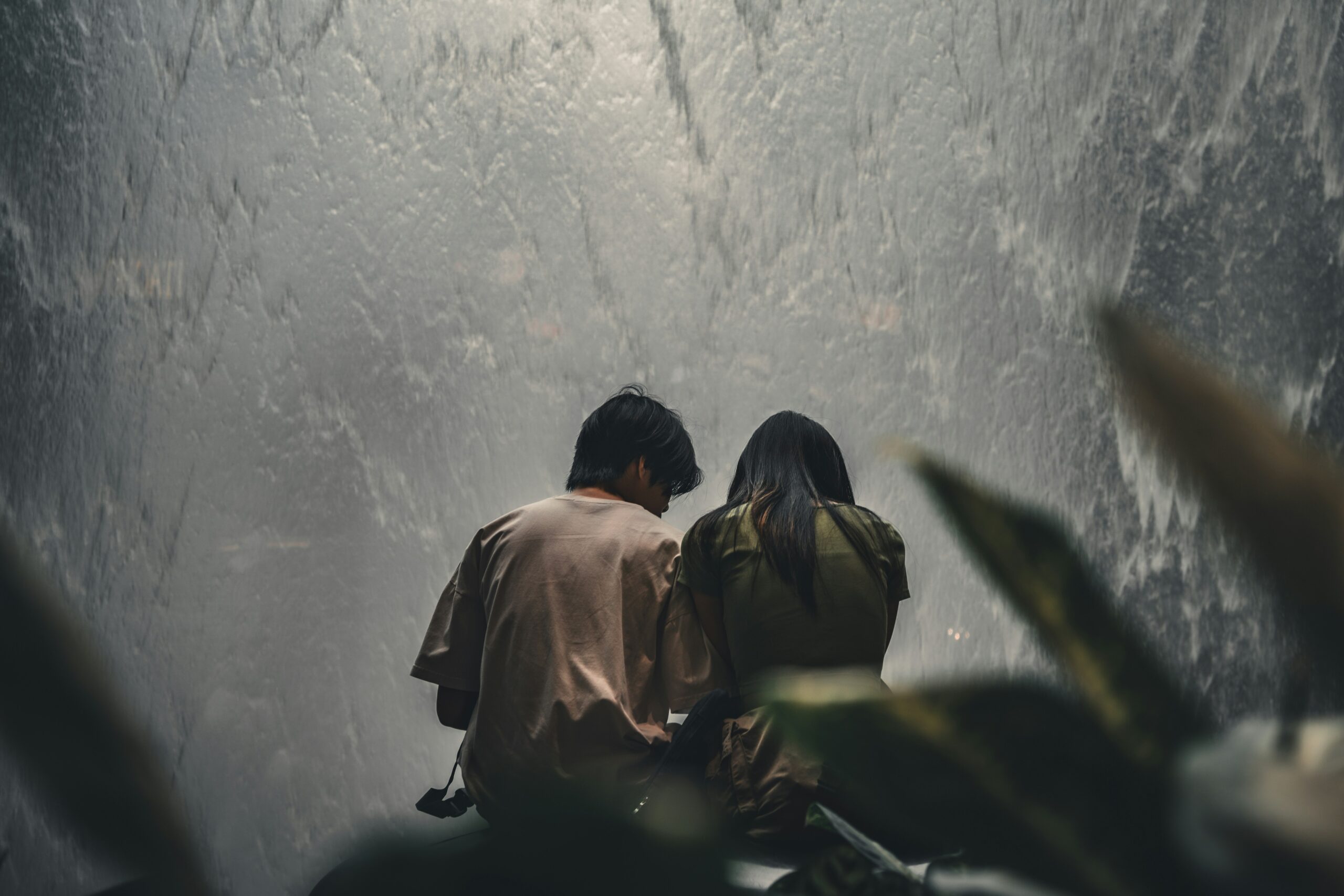
Social media creates an endless need for affirmation in how we live our lives. But that validation is fleeting, urging us to chase the high of likes, comments, and mentions.
Preusser says, “I keep track of likes I get on each post and ‘Why did I get less than this other post?’”
Although we try to make it insignificant, we assign meaning to those numbers, following our craving for connection.
“There’s different reasons why [someone would] overshare,” says licensed independent social worker, Kelsey Taylor. “I think what you’d find in all cases is that [there’s a] positive intention … whether that be connection or success or validation.”
Social media isn’t a form of self-expression or a way to stay connected with loved ones. It’s a socially constructed drug. We hear phantom notifications. We go through withdrawal symptoms, needing to keep our phones in our pockets at all times, itching if they’re not an arm’s length away.
A Post is the New Phone Call
We overthink our captions and the song we’re using in our Instagram story, but we’re forgetting to think if we really want to hit ‘share’. Aesthetically posting about your sex life is still posting about your sex life. The idea of thinking before you speak was plastered in the hallways of our schools, yet we take to the web to word vomit our every thought. Just because it has a nice filter and clever caption, doesn’t make it any less TMI.
“There’s been a shift in your generation, and [oversharing has] become more normalized,” Taylor says. “Maybe [people] don’t feel as much shame about sharing certain things that may have been shameful for other generations.”
There are multiple sides of ourselves that we want to share, and multiple reasons as to why. It feels good to share everything as you’re feeling it, but you might regret it later.
“It might be helpful to take a moment, to take a pause,” Taylor says. “To get curious about what parts of [you] want to share this information, what parts of [you] want to make [that] post, and to see if you can find out why.”
Get in touch with your inner self, no matter where you share these parts of yourself. Try this insightful process, rather than rushing to post — it can allow us to make better, self-led decisions about our interactions and how we choose to spill our guts.

No responses yet