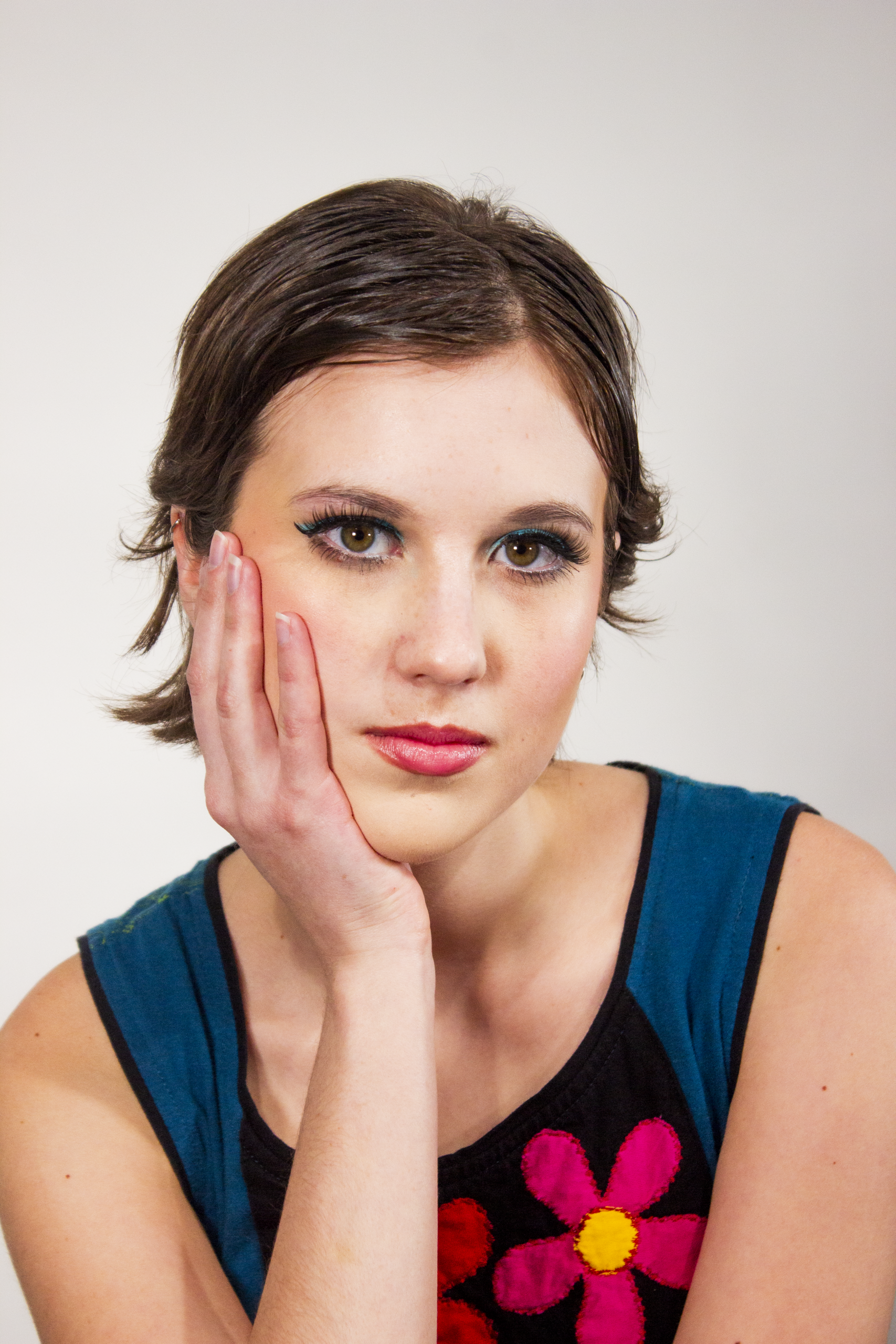
This mod icon redefined femininity with a bold, wearable style that still shapes fashion today.
The ’60s had plenty of fashion icons — Jackie Kennedy, Audrey Hepburn, Sharon Tate — but it only had one face: Twiggy.
Twiggy was a staple in my grandma’s house. While I had posters of my favorite celebrities, my grandma cherished her fashion magazines. It was on her coffee table where Twiggy made her first appearance in my life, staring back from the cover of the July 1967 issue of Vogue.
On the cover, she wore a green fur coat adorned with woven blue and pink flowers positioned just below each shoulder. Her makeup featured a bluish smoky eye on her right eyelid, while the left echoed the jacket’s floral motif, with a painted stem trailing down her cheek. To complete the look, Twiggy’s hair is slicked back, paired with chunky orange earrings, and her signature doll-like lashes.
Being the curious child I was, I tried copying the look with markers and crayons. It didn’t hold the same effect. But even now, the look is timeless. It’s more than a flower power look from the ‘60s, but a moment in how fashion was breaking barriers for women. It’s why Twiggy still inspires us to pay homage to her style.
In 2026, mod fashion is quietly resurging, with mini dresses and bold eye looks appearing on runways at Courrèges, Isabel Marant, Gucci, and Hermès. Twiggy’s iconic style transcends mere costumes or nostalgic moments; it serves as a vibrant inspiration for today’s fashion enthusiasts seeking bold, playful, and confident looks. Amidst a resurgence of maximalist prints and retro influences, the mod movement — and Twiggy’s lasting impact — merits renewed attention.
Who is Twiggy?
In the 1960s, Lesley Hornby rose to fame as Twiggy, captivating the fashion world on the covers of magazines like Vogue and Tatler, becoming the face of the mod fashion movement.
“In the 1960s, there was much more focus on youth-inspiring fashion, and Twiggy embodied that,” says Jean McElvain, the curator of the Goldstein Museum of Design, part of the University of Minnesota’s College of Design.
Twiggy’s boyish look was a step away from the traditional, feminine outfits that women wore in the 1950s. Due to her lean silhouette, her fashion de-centered attention on the bust and hips, which appealed more towards an everyday kind of woman.
“I think the way that she was styled, the way that she wore clothes, challenged [femininity] in that it was much freer,” McElvain says. “But it was a much less constricting overall aesthetic in terms of what kind of foundation garments you needed.”
Implementing Her Style in Today’s Wardrobe
Although we love ‘60s fashion, not all of us can dig through endless thrift racks hoping that someone’s grandma recently emptied their closet. Luckily, Twiggy’s style doesn’t have to be expensive. All it takes is some colorful leggings, a chic dress, and an impressive eye look.
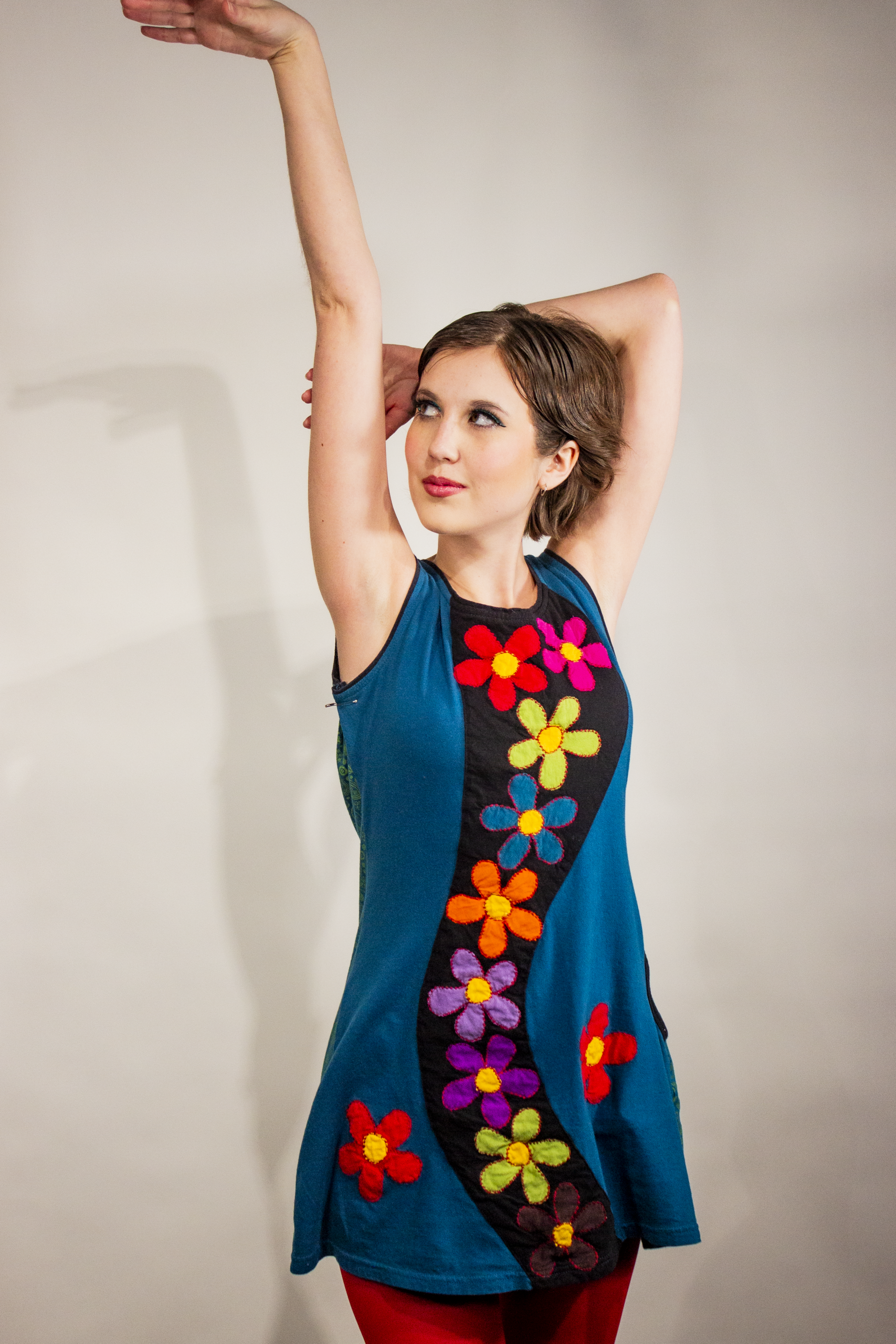
Colorful Tights
Bright colors are the defining palette of the 1960s. If you are brainstorming ways to make your outfit pop, try implementing bright-colored tights.
Mini Dresses
It’s rare to find a photo of Twiggy out of a mini dress. If you are looking for something to build your outfit from, this is the perfect pick.
“It doesn’t have to be as short as they were worn in the ‘60s; something above the knee would definitely be associated with her,” McElvain says.
Styling a mini dress with tights, loafers, or a tailored coat can make the silhouette feel more practical for the workplace. Choosing dresses with longer sleeves, higher necklines, or more tailored silhouettes can also help make the piece feel appropriate for everyday wear.
Baby Doll Eyes
Another component that made Twiggy stand out was her bright doe eyes. Twiggy overemphasized her eyes and drew thick, spiky lashes on her lower lid while adding bright colors to her eyelid to attract more attention.
Christian Briceno, a makeup artist based in New York, recommends that when attempting a Twiggy-inspired eyelash look, to not overdo them.
“Twiggy’s lashes worked because they were graphic but controlled,” Briceno says in an email. “The biggest mistake now is going too thick, too black, too theatrical, when the goal is precision not costume.”
Defined Crease
“Twiggy’s crease wasn’t blended; it looked like a new fold drawn onto the lid,” Birceno says. “The modern approach is to adapt that architecture to your eye shape rather than copying the exact line.”
To recreate Twiggy’s graphic eye look, use a matte shadow in cool taupe, charcoal, or muted grey-brown, and avoid any shimmer. Lightly sketch the shape before setting it with powder for precision. The line can be adjusted depending on eye shape, but keeping the edges soft and controlled maintains the clean, mod-inspired effect associated with Twiggy.
Words: Natalie Onkst

No responses yet